Electrification is reshaping how energy is produced, stored, moved, and used. It is not a single trend or outcome. It is a cross-disciplinary vision shared by global leaders and innovators. Vivid invests across the full electrification landscape. This breadth allows us to evaluate opportunity early, manage risk, and stay ahead of long-term structural change.
We organize the electrification universe into five core areas. Each represents a critical part of the system and a distinct source of opportunity. Progress in one area often drives demand and innovation, or alleviates constraints in another. Understanding these connections is central to our research process.

The foundational inputs required to power electrification across batteries, energy systems, and industrial technologies.
Includes:
Lithium • Copper • Nickel • Graphite • Silver • Uranium • Rare earth elements • Phosphate

The systems and equipment that transform raw materials into functional electrified products.
Includes:
Semiconductors • Power electronics • Motors • Automation • Manufacturing equipment • Thermal systems

Equipment and technologies that generate, transmit, and store reliable, scalable power for homes, businesses, and industry.
Includes:
Solar • Battery systems • Inverters • Grid-scale storage •
Long-duration storage • Power electronics • Transmission
lines and wire
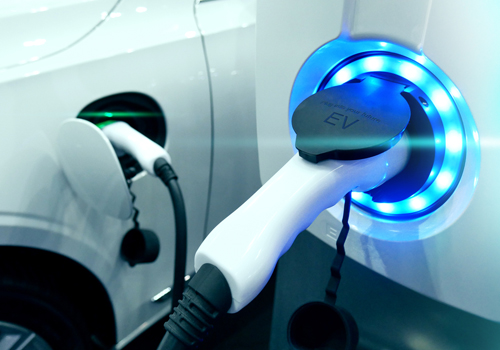
Electrified and automated systems that move people, goods, and data.
Includes:
Electric vehicles • Autonomous systems • Charging • Fleet electrification • Sensing technologies

The companies and platforms that build, operate, and modernize energy and mobility networks.
Includes:
Power producers • Grid modernization • Charging networks • Energy platforms • Smart grid software

James Bradford
Electrification is not a single trend. It spans materials, manufacturing, software, energy, infrastructure, and mobility across global markets. This breadth provides Vivid with clear advantages.

We are not dependent on any one subsector or outcome.

Diversification across industries and regions helps manage volatility.

Understanding how the cross-disciplinary global vision allows
us to identify change before it is widely recognized.
Intelligent exposure to the global energy transition.